Ludlow Ogden Smith: The Full Story Behind the Man, His Life, and His Connection to Katharine Hepburn

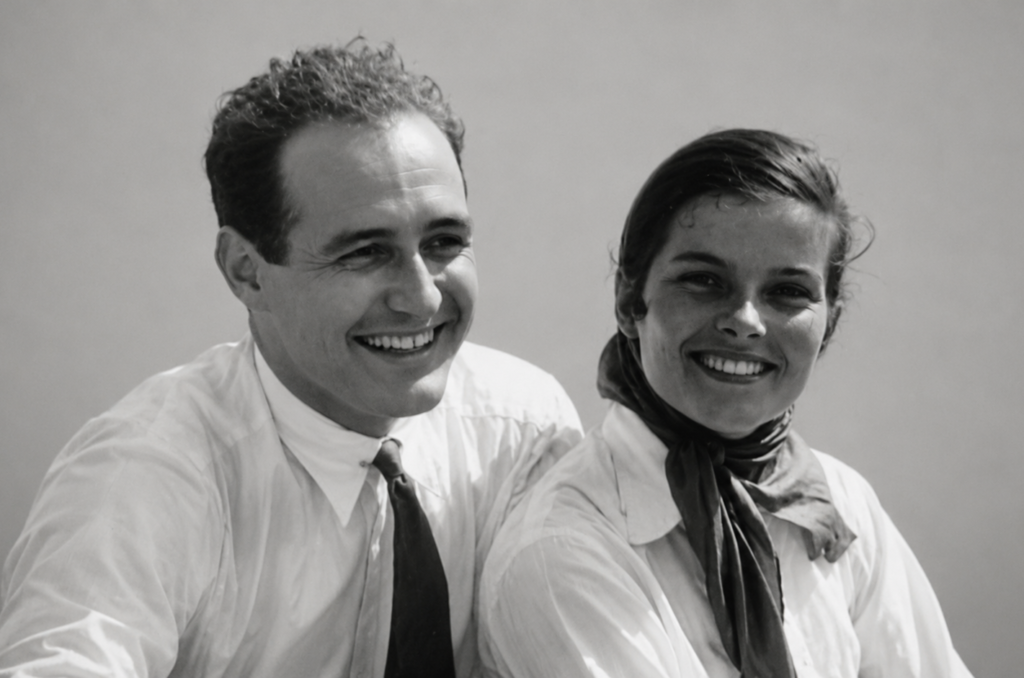
Ludlow Ogden Smith is a name that often comes up in connection with one of Hollywood’s most iconic actresses, Katharine Hepburn, but the full story of his life — his background, career, personal journey, relationships, and legacy — is less widely known. In exploring the life of Ludlow Ogden Smith, we uncover not only the man who was married to Katharine Hepburn, but also an individual with a distinct identity, formed by family roots, world events, business pursuits, and personal decisions that shaped his legacy beyond the spotlight.
Contents
- 1 Early Life, Family Background, and American Identity
- 2 Service in World War I and the Formation of Character
- 3 Education and Early Career Trajectory
- 4 Meeting Katharine Hepburn: The Intersection of Two Lives
- 5 Wedding to Katharine Hepburn and Early Marriage
- 6 Shifting Ambitions: Hollywood and Growing Distance
- 7 No Children Together: Personal Choices and Career Priorities
- 8 After the Divorce: Business Career and Second Marriage
- 9 Net Worth and Financial Standing
- 10 Later Years and Death
- 11 Legacy: More Than a Footnote in Hollywood History
Early Life, Family Background, and American Identity
Ludlow Ogden Smith was born on February 6, 1899, in Philadelphia, Pennsylvania, into a family well established in social and professional circles. His parents, Lewis Lawrence Smith and Gertrude Gouverneur Clemson Smith, provided a grounding in both traditional values and modern expectations, raising children in an environment that encouraged education, service, and engagement with the cultural currents of the time. Philadelphia, as one of America’s historic cities, offered a backdrop of intellectual stimulation and societal opportunity that helped form the early character and ambitions of Smith. This strong East Coast upbringing solidified his American nationality, a defining element in his identity as the world around him shifted through the 20th century’s most transformative decades.
From an early age, Smith was exposed to civic responsibility and thoughtful living. His family’s presence in Philadelphia society meant that he grew up among individuals invested in both local community affairs and broader discussions about progress in arts, industry, and culture. It was a milieu that prepared him for a life not defined by celebrity, but by substance — even later in life when fame intersected with his personal narrative.
Service in World War I and the Formation of Character
The global upheaval of World War I left no corner of American life untouched. As the United States mobilized for war, many young men stepped forward to serve, and Ludlow Ogden Smith was among them. In 1918, at the age of 19, he joined the United States Navy, serving until 1920. This period of service during a tumultuous moment in world history shaped his sense of discipline, responsibility, and understanding of the broader human experience.
His time in the Navy was not marked by frontline combat — as the conflict was waning — but it did provide him with a formative exposure to service, duty, and organizational rigor. The structured environment of military life instilled patience, leadership, and the ability to operate within complex systems — skills that would later be reflected in his business career.
Education and Early Career Trajectory
Following his naval service, Smith returned to civilian life with a newfound maturity and a clear sense of direction. While records do not highlight a specific university degree or artistic training, it is evident that he moved confidently into the world of business and finance — a realm where analytical thinking and practical management were paramount.
Rather than pursuing the arts or entertainment world, Smith’s pursuits were grounded in the emerging needs of American industry and modern business systems. This professional alignment placed him squarely in the socioeconomic currents that valued efficiency, innovation, and strategic leadership — traits that would define his later success.
Meeting Katharine Hepburn: The Intersection of Two Lives
It was during the early 1920s that Ludlow Ogden Smith’s life intersected with that of Katharine Houghton Hepburn, a young woman from Hartford, Connecticut, who was beginning to carve out her path into acting. Hepburn’s journey brought her to Bryn Mawr College in Pennsylvania, where she met Smith, and their relationship evolved from intellectual companionship into romance.
At the time, Hepburn embodied the aspirations of a new generation of educated, independent women, eager to expand opportunities and pursue creative fulfillment. Smith, stable and supportive, offered encouragement as Hepburn tested her own emerging aspirations. Their connection was rooted in genuine affection, mutual curiosity, and a shared belief in personal growth — even if each was headed in different directions.
Wedding to Katharine Hepburn and Early Marriage
The commitment between Smith and Hepburn culminated in their marriage on December 12, 1928. Smith was 29 years old, while Hepburn was only 21, having recently completed her college education. Their decision to marry placed them at the center of social discussion, especially given Hepburn’s emerging interest in pursuing a stage and film career.
One often‑recounted detail from their early marriage is that Smith agreed to a name change requested by Hepburn. Concerned that the name “Kate Smith” lacked distinction for someone seeking a dramatic career in the public eye, Hepburn asked Smith to adjust the order of his names — leading him to adopt the professional name S. Ogden Ludlow. This choice, though minor in legal terms, reflected Hepburn’s early understanding of public perception, branding, and how one’s name could shape career impact. The decision also hints at the subtle ways in which his identity and her ambitions became intertwined.
Despite initial optimism, the marriage soon began to reveal the differences between them. Hepburn’s ambition grew in tandem with her involvement in theater and film. She was determined to make a name for herself amidst the competitive landscape of early Hollywood — a world that was fast‑paced, demanding, and hungry for uniqueness. Smith, by contrast, remained focused on business, preferring relative privacy to public spectacle. The tension between these differing life goals would shape the narrative of their union.
Shifting Ambitions: Hollywood and Growing Distance
By the early 1930s, Katharine Hepburn’s star was on the rise. Her performances in Broadway productions and, eventually, Hollywood films garnered attention from critics and audiences alike. Smith, who had been a steady and supportive partner in the early years, found himself increasingly on the periphery of the world his wife was entering.
It was not merely a matter of career dynamics; it was a divergence of lifestyle, priorities, and personal temperament. Hepburn’s days were filled with rehearsals, auditions, screen tests, and travel. Smith’s days were spent in corporate strategy, financial innovation, and business leadership. The couple grew apart not because of animosity, but because the paths they were walking were leading them in substantially different directions.
The growing distance eventually led the couple to a mutual decision that would alter both of their lives. On April 30, 1934, Katharine Hepburn filed for divorce in Mérida, Yucatán, Mexico, a popular location at the time for expedited proceedings. The divorce was finalized on May 8, 1934 — ending their marriage after nearly six years. Despite the emotional complexity of separation, they parted ways with respect and a continued sense of mutual regard.
No Children Together: Personal Choices and Career Priorities
During their marriage, Ludlow Ogden Smith and Katharine Hepburn did not have children, a fact that has often been noted in biographical retrospectives. This absence of parenthood reflected both practical and personal decisions. For Hepburn, a relentless drive to build her artistic career left little room for traditional family roles. In her later reflections, she openly admitted that she did not feel capable of balancing the responsibilities of motherhood with her professional ambitions — a realization that shaped her life choices long after the divorce was final.
Smith, steady and thoughtful, did not contest this focus. Though there are no detailed public accounts chronicling his own views on children during the marriage, his acceptance of their childless partnership aligns with the broader narrative of individual purpose prevailing over conventional domestic expectations.
After the Divorce: Business Career and Second Marriage
Following the end of his marriage to Hepburn, Ludlow Ogden Smith continued to refine and expand his professional life. He became the president of Ogden Ludlow Inc., a company that focused on financial systems and banking efficiency. Among the innovations attributed to him is the so‑called “Ludlow Formula”, an approach used in savings bank calculations that contributed to smoother and more reliable operational frameworks within financial institutions.
Smith’s work in business exemplified his natural inclinations toward structure, strategy, and practical problem‑solving — qualities that positioned him as a respected figure in his industry, even if his name was not widely recognized outside professional circles.
In 1942, he married Elisabeth Katharine Albers in Washington, D.C. This second marriage marked a more private and stable chapter in his personal life. With Elisabeth, he had two children — Lewis Gouverneur Ludlow Smith and Katharine Ramsey Ludlow (later Sharratt) — fulfilling a role as a father that had not existed during his earlier marriage to Hepburn. These children were raised largely outside the glare of public attention, in a household that prioritized family life and personal quiet over fame.
Net Worth and Financial Standing
Quantifying the net worth of Ludlow Ogden Smith is challenging because, unlike Hollywood stars whose finances are often publicized, his wealth was rooted in private business operations and corporate leadership. He was not a household name whose financial portfolio was subject to celebrity scrutiny. However, as a successful businessman and president of his own financial systems company, it is reasonable to conclude that he lived comfortably and was financially secure, reflecting the economic stature of mid‑20th‑century business executives.
While Katharine Hepburn’s net worth was widely estimated — often cited as approximately $30 million at the time of her death in 2003 — Smith’s financial position remained private. Still, his achievements in business and sustained leadership suggest that he maintained a prosperous and stable economic life.
Later Years and Death
Ludlow Ogden Smith lived a long life that reflected both personal resilience and professional achievement. He died on July 7, 1979, in New Canaan, Connecticut, at the age of 80. The available records do not reveal dramatic circumstances surrounding his death, indicating that he passed from natural causes, consistent with a life lived into advanced age. He was buried in Wayne, Pennsylvania, a return to his early roots in the Philadelphia region.
Though he did not spend his final years in the public eye, Smith’s life remained one of quiet dignity and substantive contribution — grounded in the disciplines of business, family, and personal integrity.
Legacy: More Than a Footnote in Hollywood History
Ludlow Ogden Smith’s life is frequently recounted in relation to Katharine Hepburn, acknowledging his role as her first husband and early supporter. Yet his life and legacy extend well beyond that singular chapter. He was a man whose story encompasses:
- Early 20th‑century American identity
- Service in the U.S. Navy during World War I
- A successful business career grounded in innovation
- A personal journey of love, divergence, and mature friendship
- Family life that emerged and flourished after his early years with Hepburn
Though his name does not appear on many Wikipedia pages, nor is his life celebrated in films or biographies the way his ex‑wife’s has been, Ludlow Ogden Smith remains a figure of real depth. His choices, accomplishments, and the respect he maintained throughout his life offer a narrative that enriches the broader cultural story of American life, Hollywood’s evolution, and the personal dynamics behind public fame.
In the end, the story of Ludlow Ogden Smith is not merely a sidebar in the life of a Hollywood legend — it is the portrait of a thoughtful, successful, and dignified American man whose life crossed paths with history, artistry, and enduring legacy.