Charity Hallett: The Life and Legacy of P. T. Barnum’s First Wife

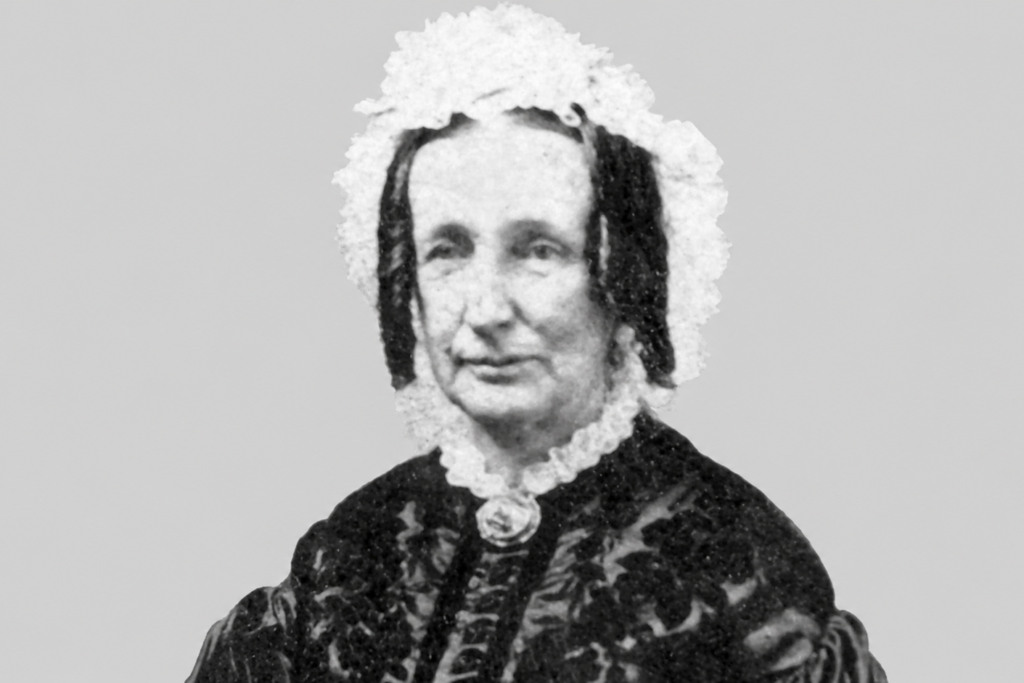
Charity Hallett, also known as Helen Maria Charity Hallett, holds a unique place in American history as the first wife of Phineas Taylor Barnum, the legendary showman and businessman. Born on October 28, 1808, in Bethel, Connecticut, Charity grew up in a modest family with her parents, Benjamin Wright Hallett and Hannah Sturges Hallett. Her early life in rural Connecticut reflected the values of early 19th-century New England, including a strong emphasis on family, community, and domestic skills. Before her marriage, Charity worked as a seamstress or tailoress, a profession common for women seeking to support themselves before marriage.
Her life changed significantly when she met P. T. Barnum, who at the time was a young entrepreneur and politically ambitious man. The couple married on November 8, 1829, in New York City. Charity was 21, and Barnum was 19. Their marriage, lasting 44 years, would be defined by Charity’s dedication to her family and her quiet support of Barnum’s burgeoning career. Although she did not participate in his business ventures or public performances, Charity played a pivotal role in maintaining the household and nurturing their children while Barnum pursued opportunities that would make him a household name.
Contents
Family Life and Children
Charity Hallett and P. T. Barnum had four daughters, and their family life reflected both joy and tragedy. Their first daughter, Caroline Cornelia Barnum, was born in 1833 and lived until 1911. Their second daughter, Helen Maria Barnum, born in 1840, also survived into adulthood, passing away in 1915. The couple’s third daughter, Frances Irena Barnum, tragically died in childhood, living only from 1842 to 1844. Their youngest daughter, Pauline Taylor Barnum, was born in 1846 and died in 1877. The challenges of raising children in 19th-century America, including coping with the loss of Frances, shaped Charity’s role as a mother and her resilience in the face of personal loss.
Despite living in the shadow of Barnum’s public life, Charity was the foundation of their family, creating a home environment that allowed Barnum to expand his entrepreneurial and entertainment ventures. Her role as a mother and wife was crucial, and it reflects the often-overlooked contributions of women whose labor and support were essential to the success of historical figures.
Life Out of the Spotlight
Charity Hallett was never a public figure. She did not perform in Barnum’s museums, circuses, or exhibitions, and she rarely, if ever, engaged in public political or social roles. Instead, her life was dedicated to domestic responsibilities and family care. This quiet, supportive presence was critical to Barnum, who relied on the stability of his family while building his career in publishing, politics, and eventually show business.
Historical accounts describe Charity as embodying the virtues of patience, dignity, and practicality. Her influence was subtle but significant, providing the emotional support and household management that allowed Barnum to focus on his business ventures. Modern writers have often noted that while Barnum captured the public’s attention, Charity represented the enduring personal stability behind his ambitious life.
Relationship with P. T. Barnum
The marriage of Charity Hallett and Barnum was enduring but private. Barnum himself rose to fame with his American Museum, his political activities, and the traveling circus that would become legendary. Throughout these decades, Charity remained his steadfast partner, raising their daughters and managing the home.
Although some sources speculate on the challenges posed by Barnum’s ambitious nature, there is no historical evidence of separation or estrangement. Charity’s life reflects the social norms of the era, where women were expected to prioritize family and home life over public engagement. Her long marriage, spanning from 1829 until her death in 1873, suggests a partnership rooted in mutual respect and commitment, even as Barnum’s fame grew exponentially.
Charity Hallett and The Greatest Showman
Interest in Charity Hallett has surged in recent years due to her portrayal in the 2017 musical film The Greatest Showman. In the movie, Charity is shown as Barnum’s first love and supportive wife, providing a moral compass and emotional anchor as he pursues fame and fortune. While the film takes creative liberties for dramatic purposes, it introduces modern audiences to the concept of Charity as an essential, if understated, figure in Barnum’s life.
The movie’s depiction, while not historically precise, underscores the importance of Charity in Barnum’s personal story. She is portrayed as nurturing, wise, and patient—a reflection of historical accounts that emphasize her supportive nature rather than public accomplishments. This cinematic representation has sparked renewed interest in her life and prompted questions about her background, children, and death.
Later Years and Death
Charity Hallett lived a long life, witnessing her husband’s rise from a provincial businessman to an international celebrity. She died on November 17, 1873, at the age of 65. While her date of death is well-documented, the specific cause remains unclear. Historical records do not indicate whether she died from illness or natural causes, and most contemporary accounts simply acknowledge her passing.
Following Charity’s death, P. T. Barnum remarried in 1874 to Nancy Fish, a younger woman, indicating that Charity’s death marked the end of an era in Barnum’s personal life. Despite her passing, Charity’s legacy lived on through her daughters and the historical records that preserve her contributions to Barnum’s household and family stability.
Wealth and Social Status
Charity Hallett was not independently wealthy. Her social and economic status before marriage was modest, and her financial security came primarily through her marriage to Barnum. While Barnum eventually amassed considerable wealth from his museums, publications, and circuses, Charity herself did not engage in business and had no known independent fortune. Her wealth and social status were therefore closely tied to her role as Barnum’s wife and the matriarch of their household.
Legacy and Historical Significance
Although Charity Hallett is often overshadowed by Barnum’s fame, her historical significance lies in her role as the supportive wife and mother behind one of America’s most famous showmen. Her life exemplifies the challenges faced by women of the 19th century, particularly those married to prominent men, and highlights the quiet but essential work of family management and emotional labor.
Genealogical records and Barnum biographies preserve her memory, confirming her birth, marriage, children, and death, while modern media, like The Greatest Showman, reintroduces her story to contemporary audiences. Charity’s legacy reminds us that historical narratives often rely on the labor and sacrifice of those whose names are less celebrated, yet whose influence is profound.
Conclusion
Charity Hallett, born Helen Maria Charity Hallett, represents the enduring, often invisible, contributions of women in history. Her life was intertwined with the rise of P. T. Barnum, yet she remained steadfast, devoted, and quietly influential throughout decades of personal and social change. From raising four daughters to managing household responsibilities while her husband built an international empire, Charity’s life was a testament to resilience, dignity, and unwavering support. While she may not have performed in Barnum’s shows or captured public attention, her impact on his life and the stability she provided remains a crucial part of understanding the personal story behind one of America’s most iconic entertainers.
Her story continues to capture the curiosity of historians, genealogists, and film audiences alike, ensuring that Charity Hallett’s quiet yet remarkable life is remembered alongside the legend of P. T. Barnum.