Darío Sepúlveda: Life, Death & Griselda Blanco Story

Darío Sepúlveda is a name that continues to appear in global true-crime discussions due to his connection with the infamous Colombian drug lord Griselda Blanco. Although Sepúlveda himself was not a major public figure or celebrity, his life became widely known because of his marriage to Blanco and the tragic events that followed. He is most often remembered as the father of her youngest son and as a man caught in the violent world of the Medellín drug trade during the late 20th century. His story is frequently searched today because many people want to understand his real-life background, his death, and whether he is still alive.
Contents
- 1 Who Was Darío Sepúlveda in Real Life
- 2 Early Life and Background
- 3 Relationship with Griselda Blanco
- 4 Marriage and Family Life
- 5 Life with the Medellín Cartel Era
- 6 Conflict Over Their Son
- 7 Kidnapping and Assassination Events
- 8 Death, Cause, and Aftermath
- 9 Media Portrayals and Public Interest
- 10 Legacy and Conclusion
Who Was Darío Sepúlveda in Real Life
In real life, Darío Sepúlveda was a Colombian man who lived during a period of intense drug cartel activity in Colombia. Unlike the major cartel leaders of his time, he did not build a public criminal empire or become widely documented in official records. Instead, his identity is primarily preserved through his relationship with Griselda Blanco, who was one of the most powerful and feared figures in the cocaine trade.
Sepúlveda’s life became intertwined with Blanco’s world, which was known for violence, power struggles, and international drug trafficking routes between Colombia and the United States. Because of this association, his personal story is often told within the larger narrative of cartel history rather than as an independent biography.
Early Life and Background
Very little verified public information exists about Darío Sepúlveda’s early life. Historical accounts suggest that he came from Colombia and lived a relatively private life before meeting Griselda Blanco. Unlike Blanco, whose life has been widely documented in crime history, Sepúlveda did not have a known criminal record or public career that brought him attention.
This lack of documentation has contributed to mystery around his background. Most available information about him begins at the point where he became involved with Blanco, which is why many modern readers find limited details about his childhood, education, or family history.
Relationship with Griselda Blanco
Darío Sepúlveda’s life changed significantly when he became involved with Griselda Blanco. Their relationship developed during the late 1970s, a time when Blanco was already deeply involved in cocaine trafficking and building her criminal network.
Their relationship was intense and complicated, marked by both personal attachment and the dangerous environment surrounding Blanco’s empire. Sepúlveda eventually became her husband, and their union placed him directly in the center of one of the most violent periods in Colombian cartel history.
Many accounts describe their relationship as unstable due to Blanco’s criminal lifestyle and constant threats from rival groups, law enforcement, and internal cartel conflicts.
Marriage and Family Life
Darío Sepúlveda married Griselda Blanco around the late 1970s. Their marriage is often described as turbulent, largely because of Blanco’s powerful role in the drug trade. Despite the violence surrounding them, the couple had a child together, which became one of the most important parts of Sepúlveda’s life.
Their son, entity[“person”,”Michael Corleone Blanco”,”son of Griselda Blanco and Darío Sepúlveda”], was born into a highly dangerous environment. His name was inspired by the fictional character from The Godfather, reflecting Blanco’s fascination with mafia culture.
Sepúlveda’s role as a husband and father is often highlighted in discussions about his life, especially because it contrasts with the criminal world surrounding the family.
Life with the Medellín Cartel Era
During Sepúlveda’s time with Griselda Blanco, Colombia was experiencing the height of cartel violence, especially in Medellín. This era was dominated by drug trafficking organizations that controlled cocaine routes into the United States.
Although Sepúlveda himself is not recorded as a major cartel member, his proximity to Blanco placed him in a highly dangerous environment. The world he lived in was defined by assassinations, kidnappings, and power struggles between rival groups.
Living in such an environment meant that personal relationships were often affected by mistrust and violence, which played a major role in Sepúlveda’s later life decisions.
Conflict Over Their Son
One of the most important turning points in Darío Sepúlveda’s life was the conflict over his son, Michael Corleone Blanco. As Griselda Blanco’s criminal empire expanded, concerns grew about the safety of their child.
Sepúlveda reportedly decided to take his son away from Blanco’s influence, hoping to protect him from the violent world surrounding the drug trade. This decision created a serious conflict between him and Blanco.
Some accounts suggest that this custody dispute became one of the main reasons for escalating tensions between the couple. In the context of cartel life, such disputes were not just personal issues but often became matters of life and death.
Kidnapping and Assassination Events
The most widely reported version of Darío Sepúlveda’s final days states that he was killed in 1983 in Medellín, Colombia. His death is often described as an assassination carried out by armed men who posed as police officers.
According to historical summaries, Sepúlveda was ambushed in public and shot in front of his young son. This event is frequently cited as one of the most tragic moments in the story of Griselda Blanco’s family life.
While different accounts vary in detail, the consistent element across reports is that Sepúlveda’s death was violent, sudden, and closely connected to the dangerous environment of cartel activity at the time.
Death, Cause, and Aftermath
Darío Sepúlveda’s cause of death is widely reported as gunshot wounds resulting from an assassination-style attack. The incident is believed to have occurred during ongoing tensions related to custody of his son and his attempt to distance the child from Griselda Blanco’s world.
After his death, his son Michael was left in the care of Blanco, and the event had a lasting emotional impact on the family. Sepúlveda’s death also added to the already violent reputation of Blanco’s life story.
Many modern biographies and documentaries about Griselda Blanco reference Sepúlveda’s death as part of the broader narrative of cartel violence in Colombia during the early 1980s.
Media Portrayals and Public Interest
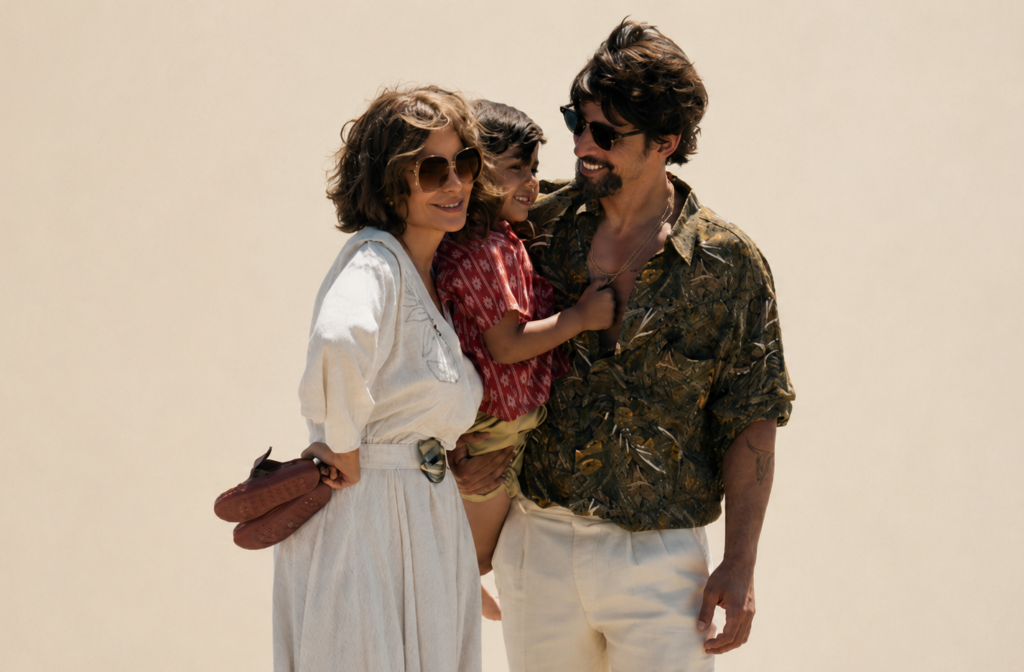
Darío Sepúlveda has gained renewed attention in recent years due to documentaries and dramatized series about Griselda Blanco. In these portrayals, his character is often shown as a husband caught between family loyalty and the dangerous world of drug trafficking.
However, it is important to note that dramatized versions may include fictionalized elements. While the core events of his relationship and death remain consistent in historical accounts, media adaptations often emphasize emotional or dramatic storytelling for entertainment purposes.
These portrayals have contributed to ongoing searches such as “is Darío Sepúlveda still alive” or “Darío Sepúlveda cause of death,” even though historical records confirm his death in the early 1980s.
Legacy and Conclusion
Darío Sepúlveda’s legacy is closely tied to one of the most notorious figures in organized crime history, Griselda Blanco. Although he was not a public criminal leader himself, his life became part of a larger historical narrative about the Colombian drug trade and its global impact.
He is remembered primarily as the husband of Blanco and the father of Michael Corleone Blanco, but also as a man whose life ended tragically in a violent environment shaped by cartel conflict. His story reflects the dangers faced by individuals connected to powerful criminal organizations, even when they are not major participants themselves.
In conclusion, Darío Sepúlveda is not still alive. He died in 1983 in Medellín under violent circumstances that continue to be discussed in true-crime history. His life remains a small but significant part of the larger story of Griselda Blanco and the era of Colombian cartel violence, a period that continues to fascinate and disturb audiences around the world.